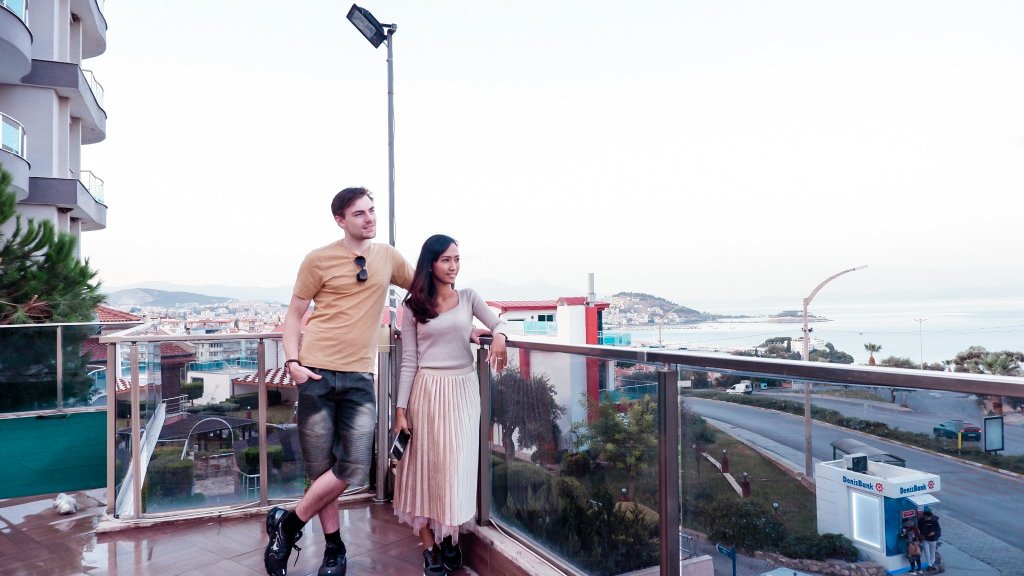
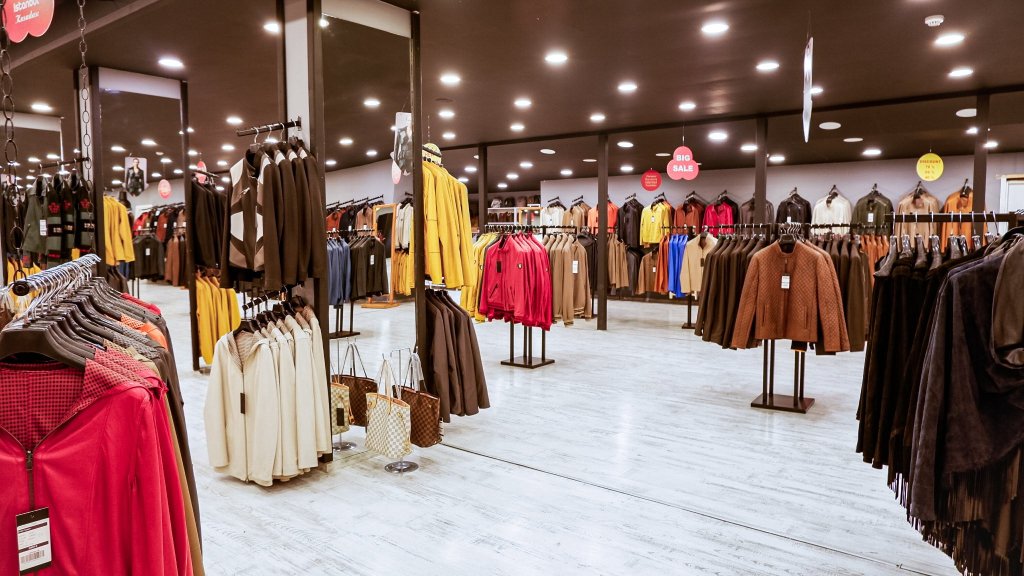
On the second day, after we had breakfast and took some pictures at our first Hotel in Izmir, we checked out and headed to the leather factory in Selcuk. Selcuk is one of the cities in the Izmir province. It only took about 15 minutes to reach from our first hotel. Izmir is famous for the quality of it’s leather. According to the manager at the leather factory, in the Greek era, Izmir didn’t obtain paper supplies from Egypt so the people needed to think of an alternative. Animal leather was their solution. That was the history of the establishment of the leather factory in Izmir.
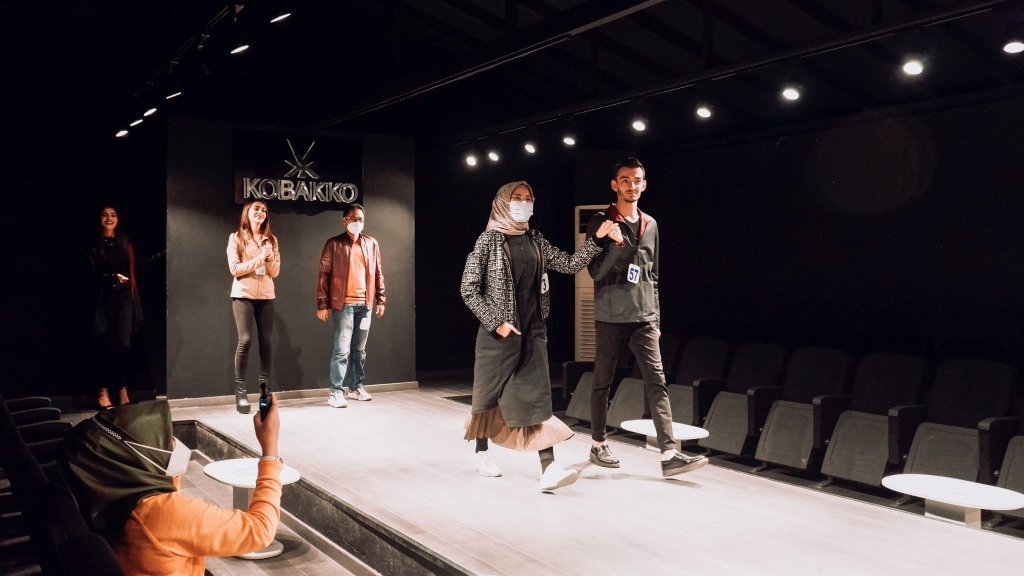
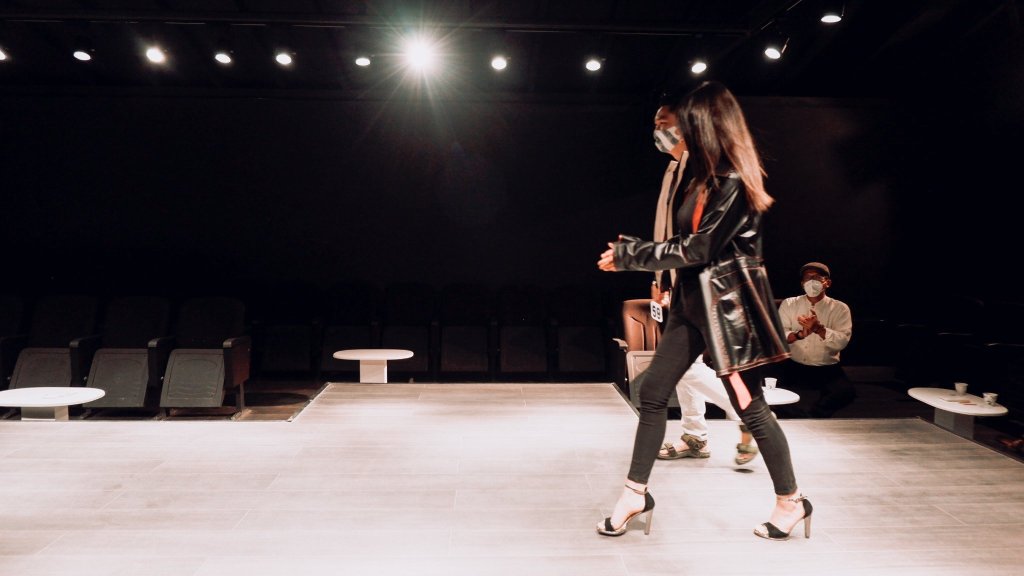
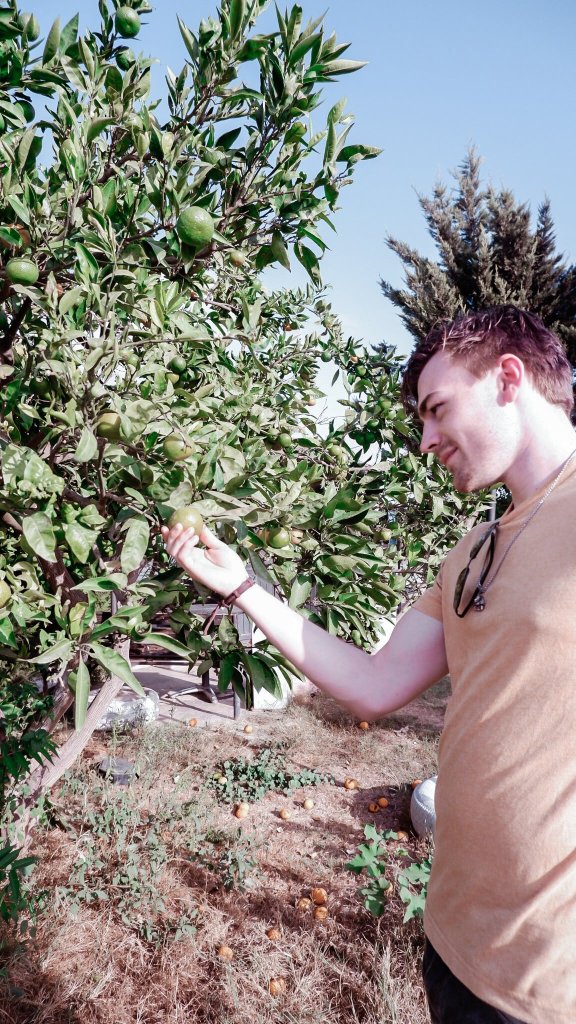
In the leather factory called Kobakko, they would hold a private fashion show for every group that came to their factory. Sometimes they would invite you to join to their fashion show with all their gorgeous models, hahaha. The quality of their leather is really good, you will get a lifetime guarantee if you buy their collection. Although, their normal price is high at about $1000 – $7000 depending on the model and material. They will give you discounts up to 70% but if you still think it’s not in your budget, no harm trying to negotiate a bit lower :). Oh they also have an orange garden outside. If you want to, they will let you to pick some oranges for free!
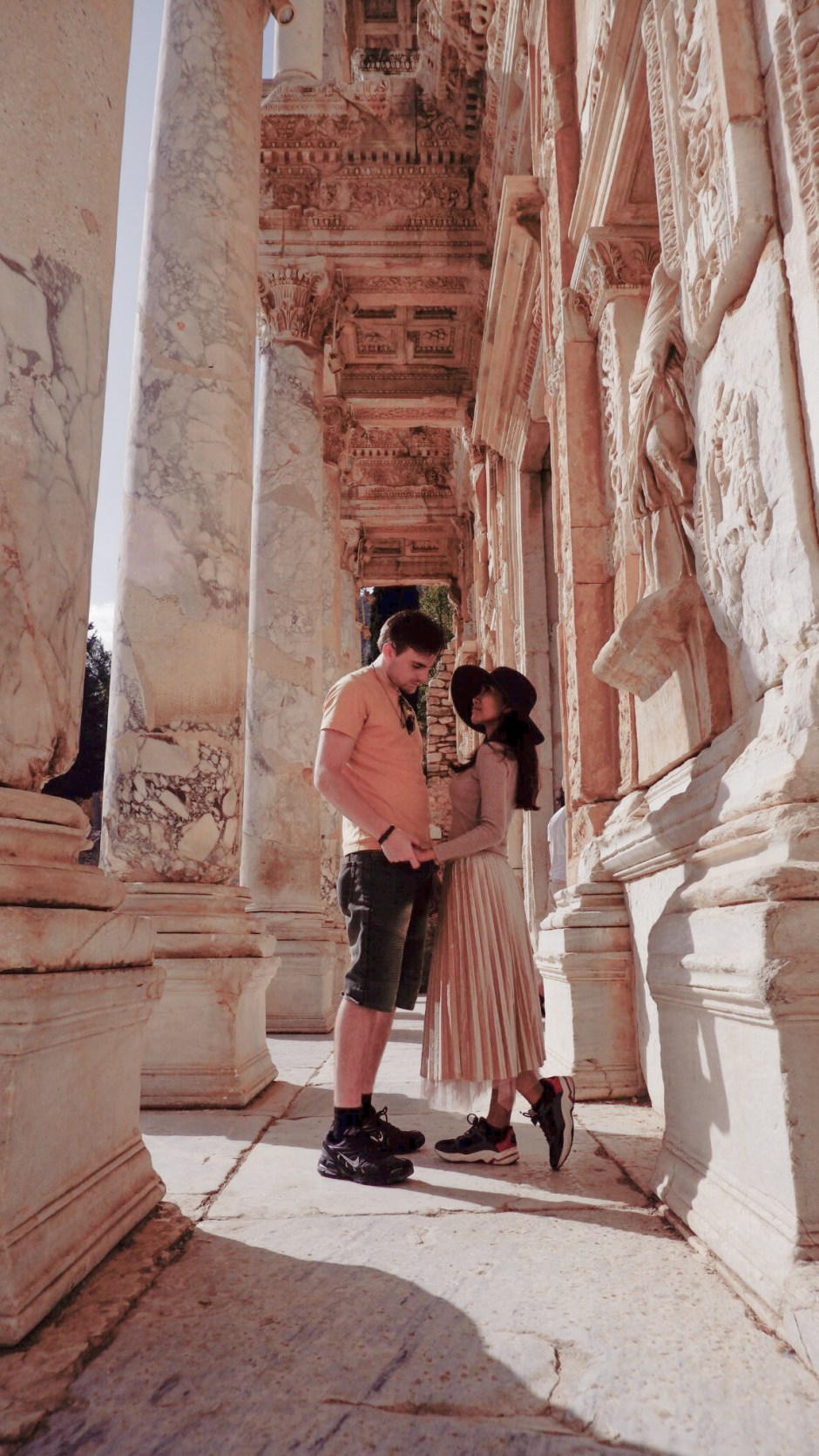
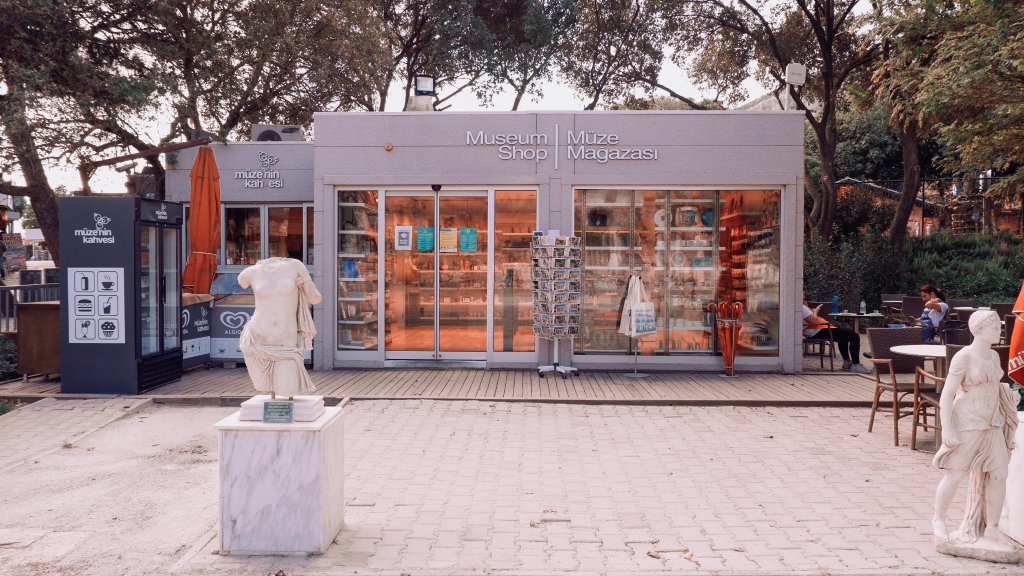
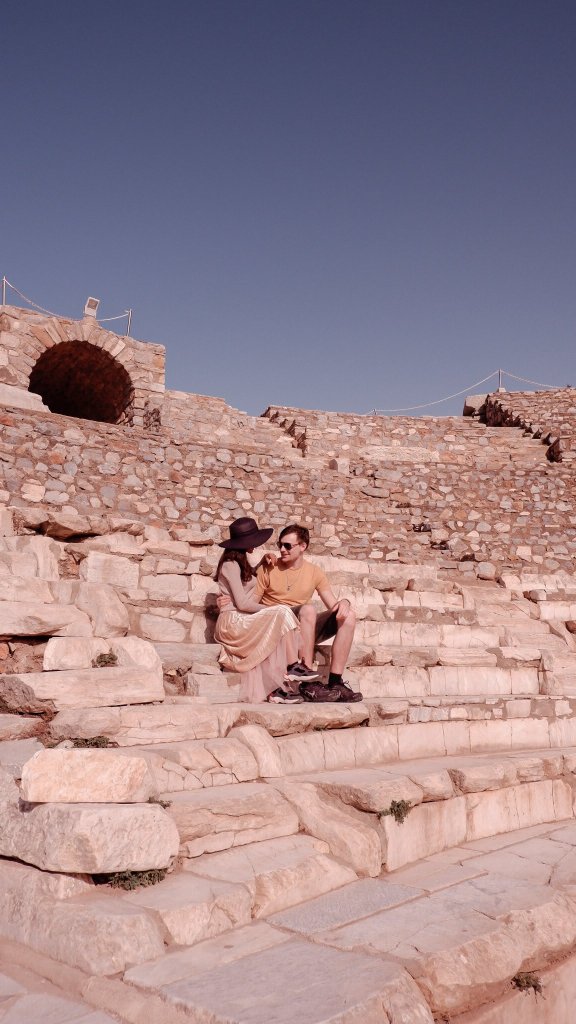
After shopping-time was done, we headed to Ephesus. Ephesus is an ancient Greek city on the coast of Kusadasi which is three kilometres southwest of present-day Selcuk in Izmir Province. It was built in the 10th century BC on the site of the former by Attic and Ionian Greek colonist. During the classical greek era, it was one of the twelve cities of the Ionian league. The city flourished after it came under the control of the Roman empire in 129 BC.
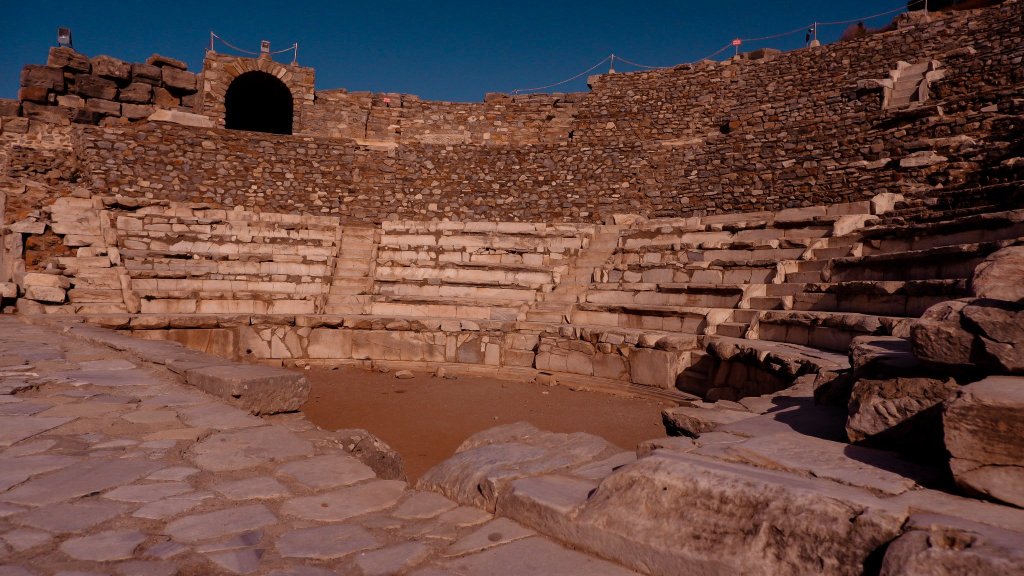
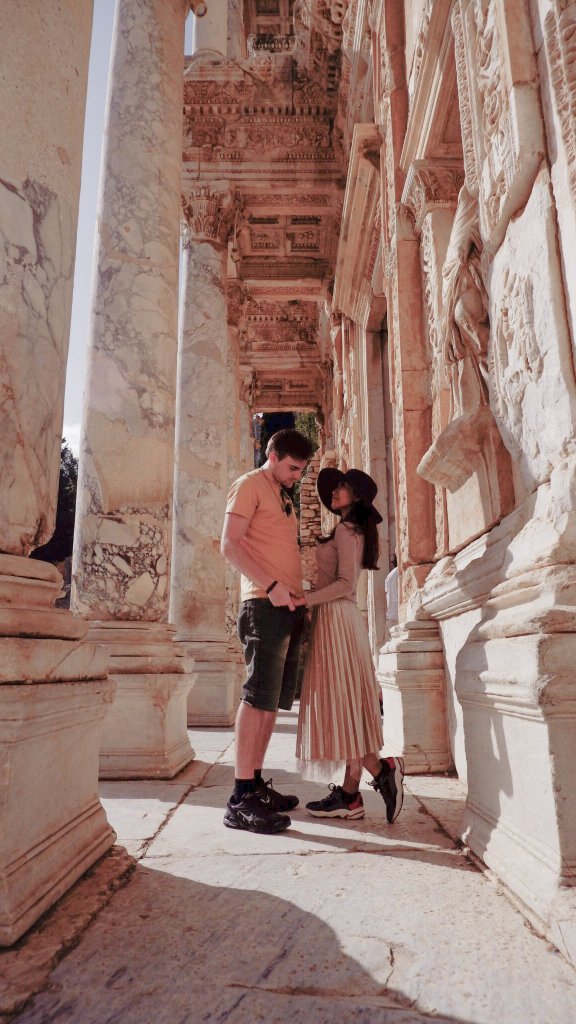
The city was famous for its nearby Artemis Temple, one of the seven wonders of the ancient world, and famous for its library called Library of Celcus. There is also a theatre capable of holding 25,000 spectators. If you have the time and want to explore more, up in the hill there is a house that, in legend, is said was a house of the Virgin Mary. The house where she spent the last years of her life in Ephesus.
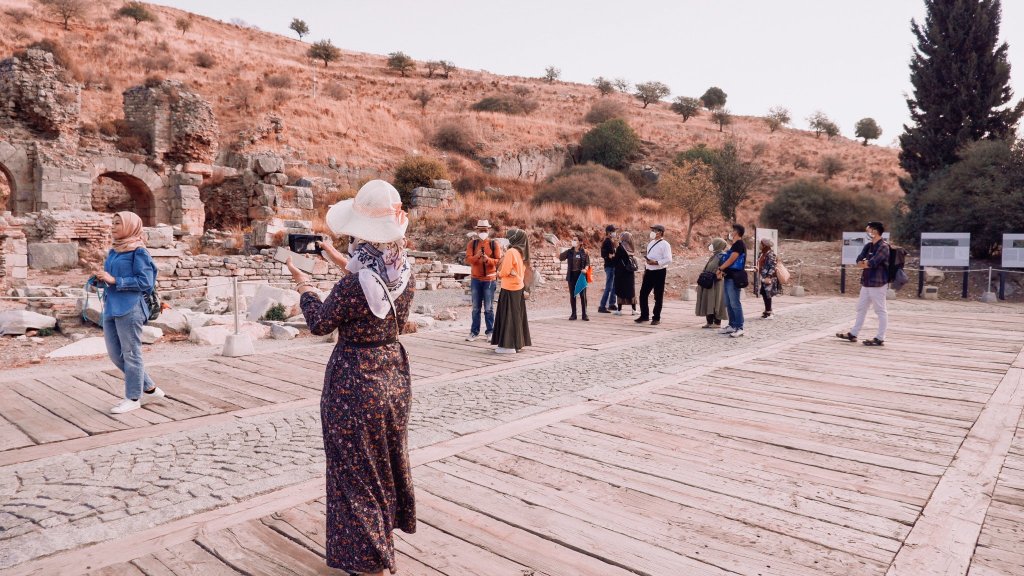
A lot of explanation and description signs are available for you to read and learn in Ephesus. Forget about the people who walk around you and walk around slowly. Imagine you are traveling back in time by listening to some classical Greek songs while reading those descriptions. Oh, watch your step! It could be slippery at some parts 🙂 and don’t forget to take some amazing pictures!
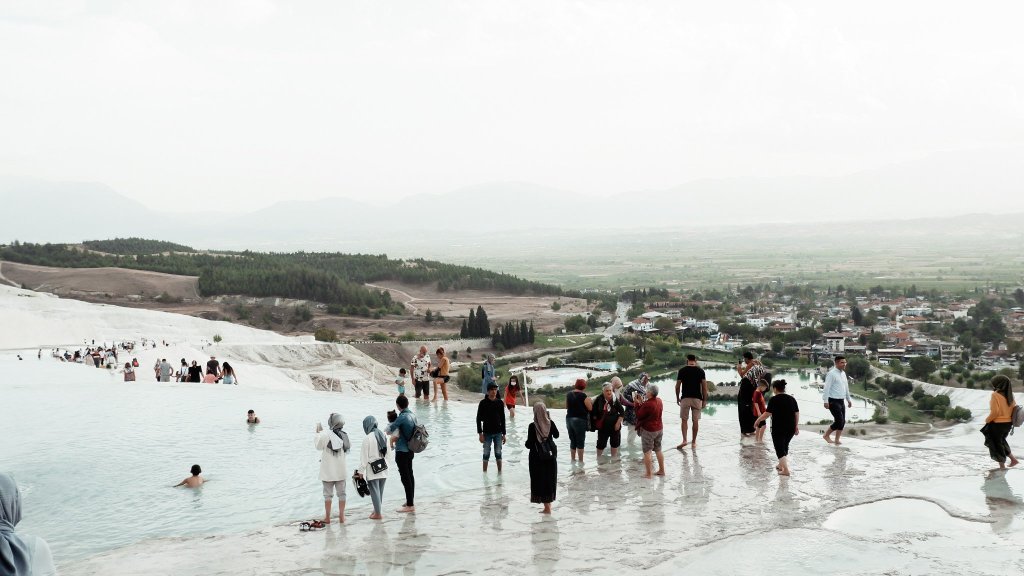
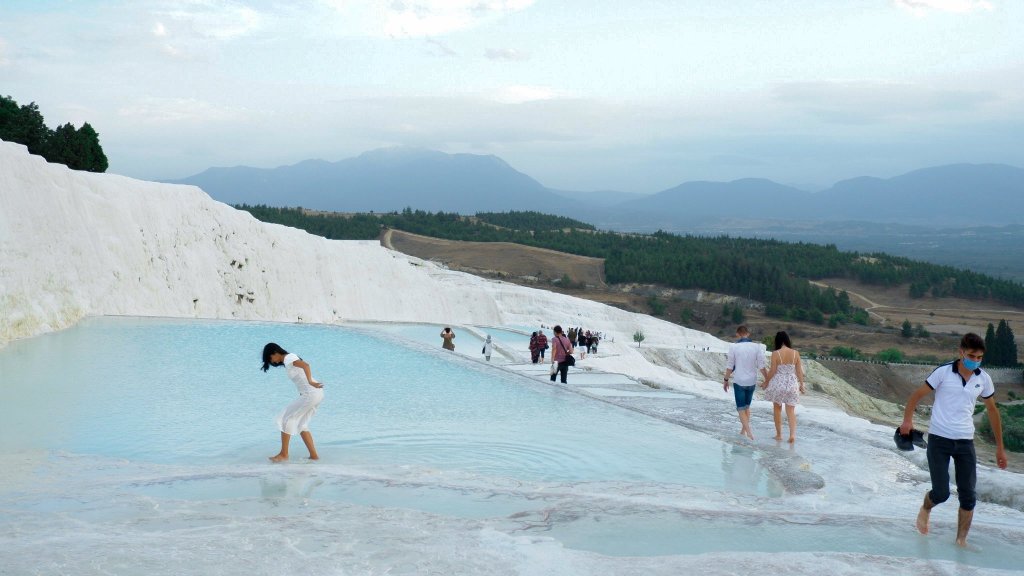
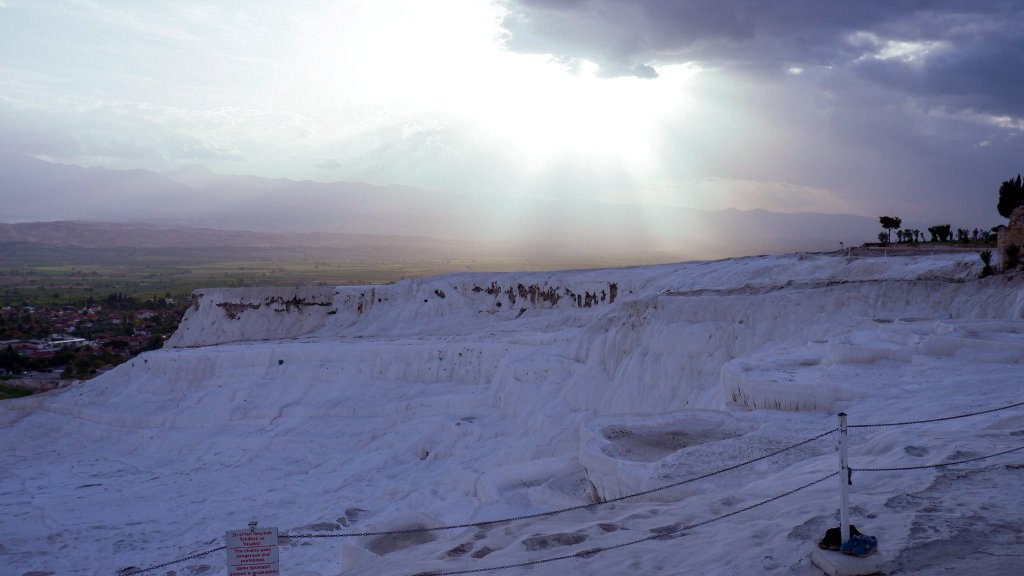
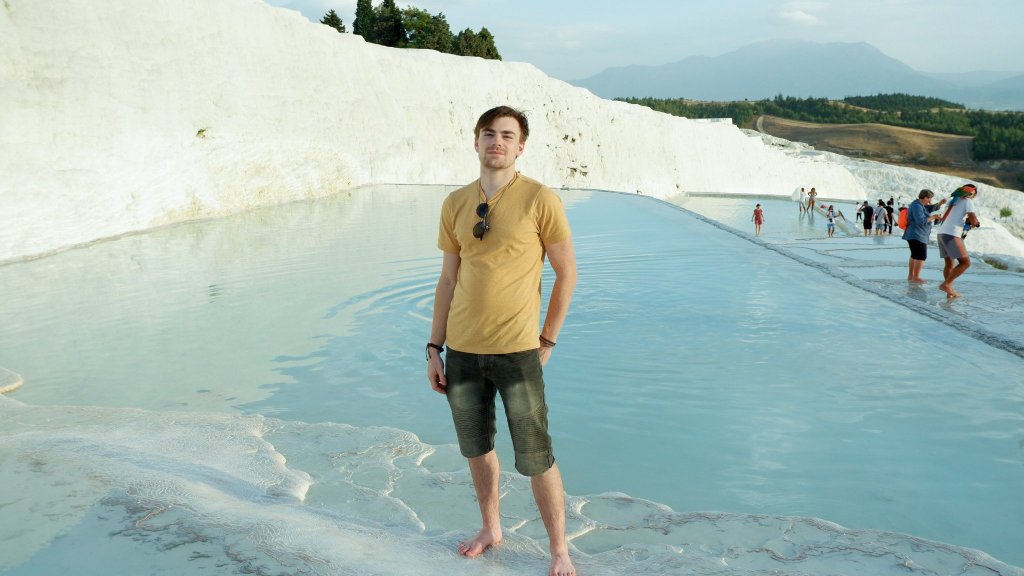
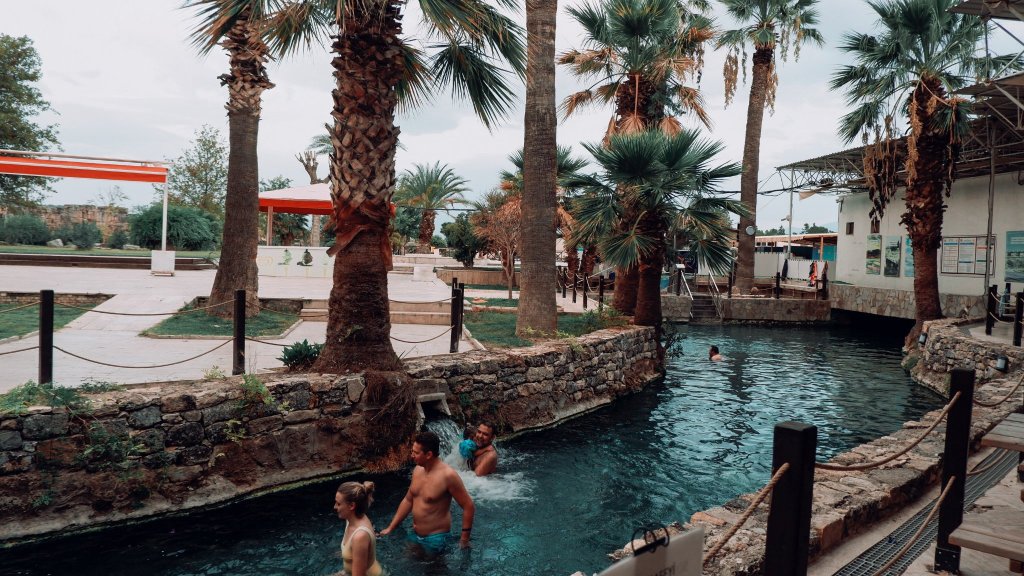
In the late afternoon, after we had lunch, we went to Pamukkale, which means Cotton Castle in Turkish. This area was declared as a World Heritage Site and is famous for its carbonate minerals that are left by the flowing thermal spring waters. The rich mineral waters attracted people to visit this area for thousand of years and was used as a Spa since the 2nd century BC. It is located in Turkey’s Inner Aegean region, in the River Menderes valley.
The ancient Greek-Roman city of Hierapolis was built on top of it. It can be seen from the hills on the opposite side of the valley in the town of Denizli. In the period of the Roman Empire, Hierapolis and its site were a health centre. Thousands of people used to come to the baths. Today’s Antique Pool that we called Cleopatra’s Pool was shaped by the earthquake which happened in the 7th century AD. The marble portico with Ionic arrangement fell into the spring during that earthquake.

We’ll continue again soon with the next destination..
With Love,
Jake and Ayu
 Wander and Explore